
Market Minds Advisory
Depth Filtration Market

Depth Filtration Market: Depth Filtration Market: The Cheapest Step That Stops The Batch

Cell culture titres rose fivefold in two decades and the debris load rose with them, which turned a cheap clarification step nobody thought about into the bottleneck that stops a biomanufacturing train.

Lead Analyst

Published

August 2026

Make Smarter Decisions with Customized Research Insights

Request a free sample report and evaluate market opportunities, growth trends, and competitive dynamics relevant to your business needs.

2025 MARKET VALUE$3.4BMarket Size 2025
2036 FORECAST VALUE$7.1BBase Case , 2026 to 2036
CAGR 2026 TO 20367.0 %Bull 8.2% / Bear 5.8%
INCREMENTAL OPPORTUNITY$3.5BNet 10- year value creation
EXPANSION MULTIPLE1.97x2036 value over 2026 base
Strategic Levers
M&A Pipeline
Regional Outlook
Country Rankings
Competitive Intelligence
Segmental Deep-dive
Call-Us : 91 93563 13602

Executive Snapshot and Market Trajectory.

Nobody optimises the depth filter until it plugs. It costs a fraction of what the chromatography resin downstream costs, which is exactly why process development teams spent 20 years ignoring it while cell densities quietly made it the limiting step. That bill has arrived, and it arrived without any warning.
East Asia holds 29% of value on Chinese and Korean biologics capacity plus the world's largest beer and beverage production. Single-use depth filter capsules grow at 10.5%, half again the market rate of 7.0%, because a gamma-irradiated capsule removes cleaning validation from a facility that would rather not own the problem. The consumable became the product and the stainless housing became free. Nobody validates a housing, and nobody wants to clean one either.
Five suppliers hold 52% of filtration revenue, and the concentration matters more than the number suggests: extractables data for a specific media lot sits inside a drug application, so changing supplier means filing a supplement. Diatomaceous earth is going the other way, losing brewery volume to crossflow membranes that eliminate the silica handling and the disposal problem at once. Two segments moving in opposite directions inside one market.
Market Definition
The market covers filtration media that capture contaminants throughout the depth of the medium rather than at its surface, including cellulose and synthetic filter sheets, lenticular modules, depth filter cartridges, single-use encapsulated devices and loose filter aids such as diatomaceous earth and perlite. Membrane filtration, chromatography resins, reverse osmosis elements and filter housings sold separately are excluded. Filtration equipment integration and disposal services fall outside scope.
Base Year Value
$3.4B in 2025 (MMA Primary Research Dataset, August 2026)
Forecast Period
2026 to 2036, eleven discrete annual values
CAGR
7.0% base case. Bull 8.2%. Bear 5.8%.
Fastest Growth Segment
Single-Use Depth Filter Capsules: 10.5% CAGR
Fastest Growth Country
China: 10.2% CAGR
Fastest Growth Region
South Asia and Pacific: 9.2% CAGR
Largest Region
East Asia: 29% of 2025 global value
Market Leaders
Cytiva, Merck KGaA, Sartorius, Solventum, Eaton. Source: MMA Analysis based on disclosed filtration and bioprocessing segment revenue, company annual reports 2025.
Primary Survey
n=3,800 procurement and R&D decision-makers, Q4 2025, six countries
Methodology
Demand-side build-up, cross-validated against public data, 47 expert interviews

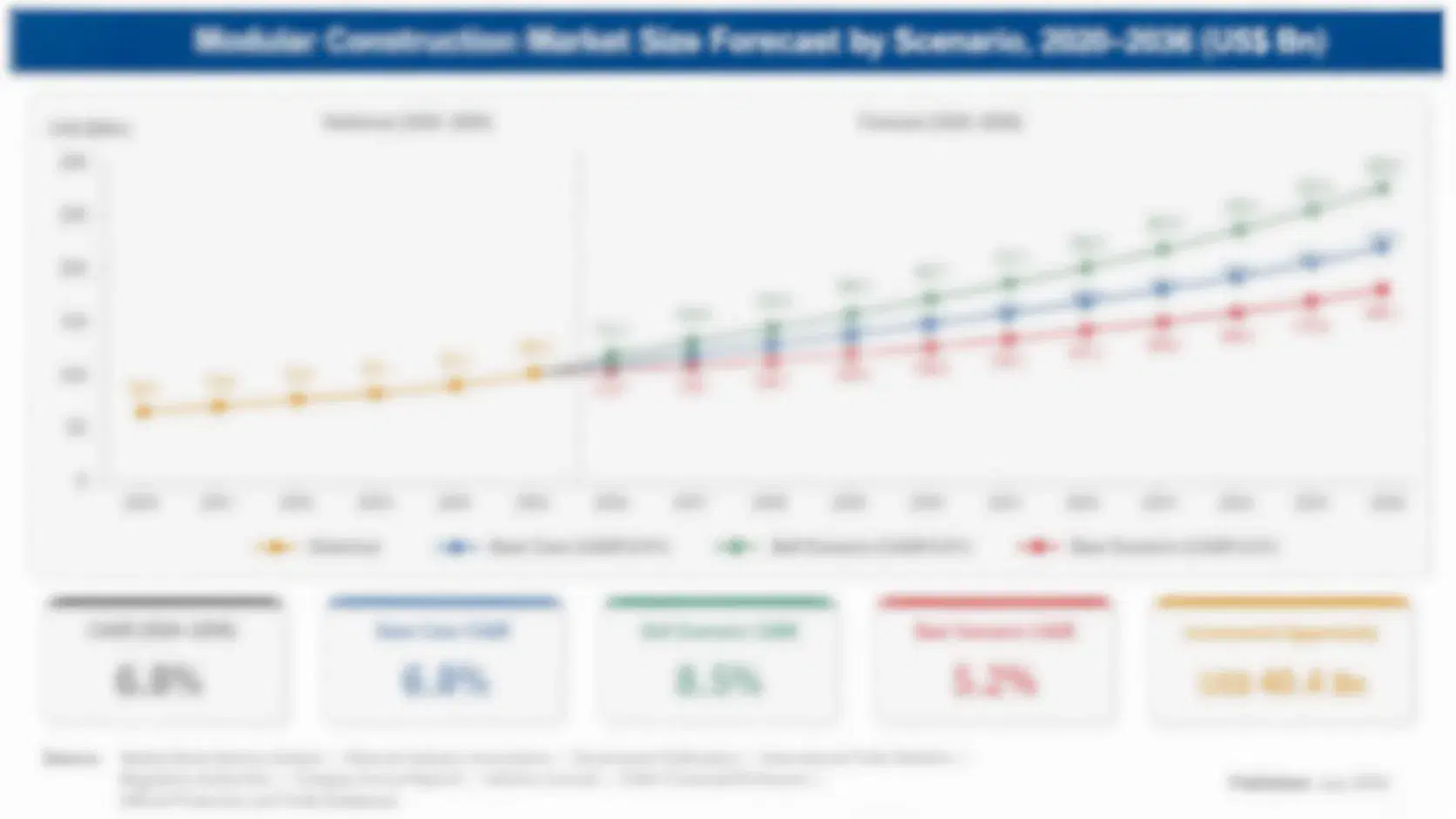
Depth Filtration Market Forecast Scenarios

depth-filtration-market-size-forecast-scenario-1787680686372
Growth from 2020 to 2025 ran at 5.8% and the shape was distorted by one event. Vaccine manufacturing consumed single-use filtration at unprecedented rates through 2021, then collapsed as programmes wound down and customers worked through inventory nobody needed. Food and beverage demand held steady throughout and looked dull by comparison. By 2024 the biopharma correction had cleared and the underlying rate reasserted itself.
The 7.0% base case rests on three mechanisms. Cell culture titres keep rising, and every increase raises the cell debris load that harvest clarification has to remove, which drives filter area per batch faster than batch counts grow. Single-use conversion continues in facilities that will not fund cleaning validation for a step this cheap. And biologics manufacturing capacity keeps being built in Asia at a pace that adds consumption regardless of what happens to Western volumes.
The bull case at 8.2% turns on continuous bioprocessing reaching commercial scale, which would raise filtration duty cycles well beyond what batch manufacturing requires. The bear case at 5.8% is faster crossflow membrane substitution in brewing and beverage, where filter aid volume is large enough that losing it would offset biopharma gains entirely. Both are already visible.

The Step Between The Bioreactor And Everything Else

A depth filter works by making a particle travel through a tortuous path and get caught somewhere inside, which is why it handles high solids loads that would blind a membrane in minutes. In biomanufacturing it sits between the bioreactor and the purification train, removing cells and debris so the chromatography columns downstream see something clean. It is the cheapest step in the process and the one most likely to stop it.
FIVE-FIRM CONCENTRATION52%Share of filtration revenue held by the leading suppliers
AVERAGE CAPSULE PRICE$680Typical cost of a single-use depth filtration device
TOP PRODUCING COUNTRYGermany 24%German share of global depth filtration media output
AREA PER BATCH34 square metresMedia required to clarify a typical commercial biologics run
SINGLE-USE CONVERSION RATE71%Portion of new biologics capacity specifying disposable devices
REGULATORY CHANGE COST$1.4 millionTypical cost of qualifying an alternative media supplier
Titre increases did something nobody planned for. Cell culture productivity rose several times over across two decades, which producers celebrated, and the cell mass and debris arriving at harvest rose with it. Filter area per batch climbed accordingly, from a nuisance line item to something that occupies floor space and delays campaigns. Process development teams that never modelled clarification now model it first.
Regulation supplies the moat. Extractables and leachables data for a specific media grade sits inside the drug application, and qualifying an alternative supplier costs around 1.4 million dollars plus a filing supplement and the time that takes. Manufacturers therefore stay with the media they validated on, at whatever price it reaches, which is why this market prices nothing like a filtration commodity.
"Everyone models the resin because it is expensive. The filter costs almost nothing and decides whether the batch happens, which is a much more interesting number."
Director, Bioprocessing and Separation Practice · MMA Chemicals and Materials Practice · August 2026

Market Trends

Rising Titres Turn Clarification Into A Capacity Constraint

Two decades ago a monoclonal antibody process ran around 1 gram per litre and clarification was an afterthought. Modern intensified processes run several times that, and the cell debris arriving at harvest scales with the biomass rather than with the product. Filter area per batch has climbed to roughly 34 square metres for a commercial run, which is equipment, floor space and operator time nobody budgeted two decades ago. Suppliers who can raise capacity per square metre are selling something facilities value more than price, because the alternative is a bigger clarification suite.
Market Impact: Specified in 71% of capacity
Crossflow Membranes Displace Filter Aid In Brewing

Diatomaceous earth works and always has, and breweries are leaving it anyway. The reasons are handling and disposal rather than performance: crystalline silica exposure requires controls, spent filter cake goes to landfill as waste nobody wants to pay for, and the whole operation is dusty in a plant that would rather be clean. Crossflow membrane systems eliminate all of that at higher capital cost and lower operating cost. Large breweries have converted steadily and smaller ones cannot justify the capital, which splits the market by brewery size rather than by geography.
Market Impact: Adds 240 new bioreactor trains

Market Opportunities and Growth Drivers

Single-Use Conversion Removes Cleaning Validation From Facilities

A reusable depth filter housing requires cleaning validation, cleaning verification, hold time studies and the documentation that goes with all of it, for a step that costs less than the validation does. Gamma-irradiated single-use capsules remove the entire question. Roughly 71% of new biologics capacity now specifies disposables for clarification, and the figure is higher still in multi-product facilities where changeover time is the constraint. The economics favour reuse on paper at high volumes. The economics on paper have lost this argument repeatedly, because floor time is worth more than filter cost.
Market Impact: Costs 1.4 million dollars to change

Asian Biologics Capacity Adds Consumption Independent Of Western Volumes

Contract manufacturing capacity in Korea, China and Singapore has been built at a pace that has no precedent in the industry, and every reactor commissioned consumes clarification media from the first engineering run onward. That demand is independent of whether Western manufacturing grows, since the products are different and the customers are global. Suppliers with local technical support and local inventory win this work, because a facility running a campaign will not wait three weeks for a filter. Several European suppliers have moved manufacturing to Asia specifically for that reason, and the ones who did not are subcontracting.
Market Impact: Depends on 6 qualified mills

Market Restraints and Challenges

Regulatory Filings Lock Media Choices For A Product's Life

Extractables and leachables data for a specific media grade and often a specific manufacturing site sits inside the drug application, which means changing supplier requires a regulatory filing supplement and roughly 1.4 million dollars of comparability work. Root cause is patient safety rather than commercial protection, and no regulator is going to relax it. The commercial impact cuts both ways: incumbents hold positions nothing dislodges, and they cannot win a competitor's installed product either. Second sourcing at the development stage is the only mitigation, and most sponsors are too busy to do it.
Market Impact: Requires 34 square metres per batch

Cellulose Media Supply Depends On Narrow Pulp Grades

Depth filter sheets need cellulose with specific fibre length, purity and ash content, and only a handful of pulp mills worldwide make anything suitable. Root cause is that filtration is a rounding error in pulp demand, so no mill builds a grade for it and the grades that work exist for other reasons. The commercial impact showed during European energy disruption, when a single mill curtailing pushed several media makers onto allocation. Mitigation is qualifying synthetic media, which performs differently and requires the same regulatory work as any other change. Neither route is quick.
Market Impact: Removes 18% of filter aid
3 additional market trends, 4 additional growth drivers, and 2 additional restraints and challenges are covered in the full report. Contact sales@marketmindsadvisory.com to access the complete intelligence.

Segment CAGR and Growth Architecture

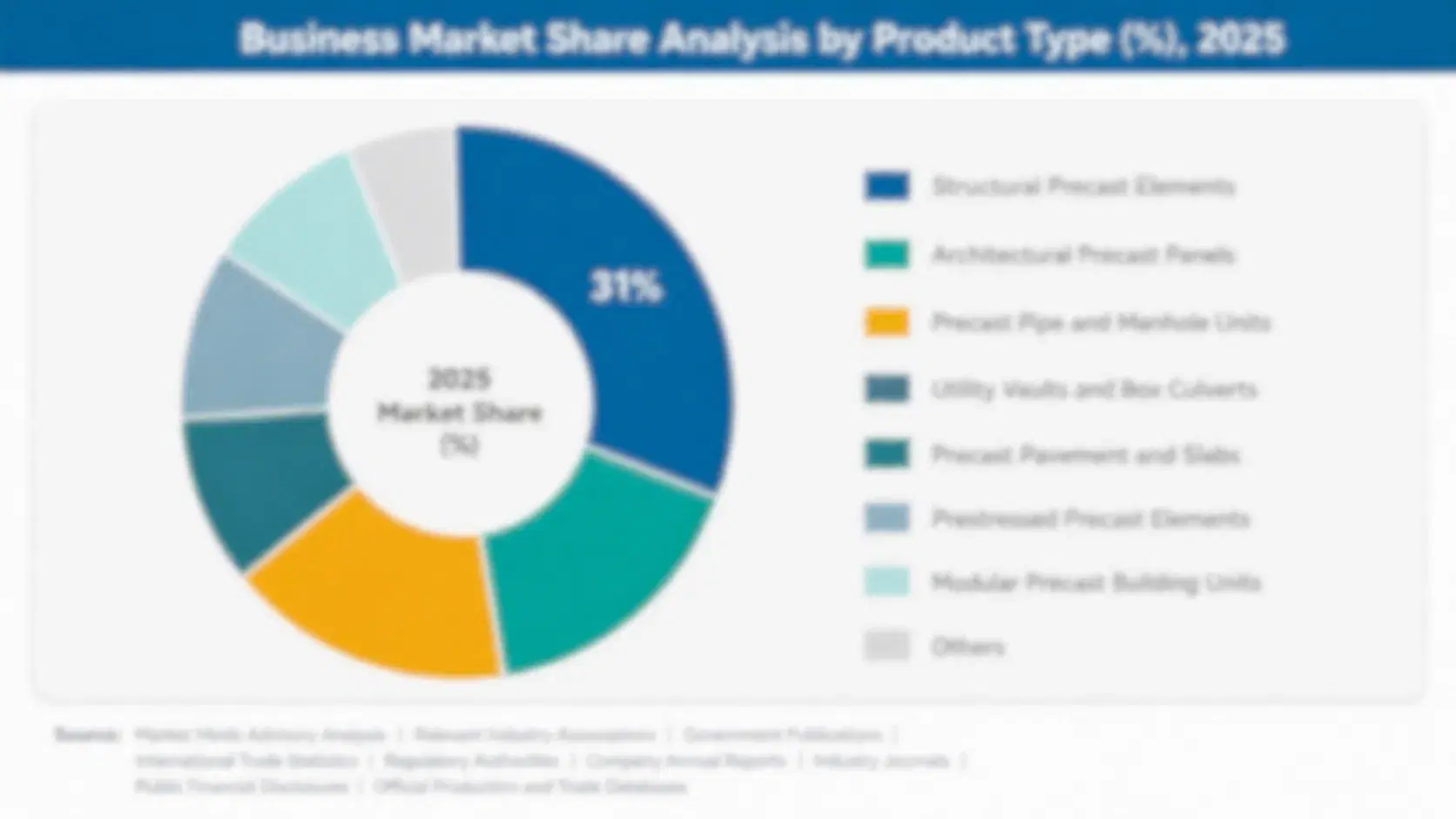
Segmentation follows media format and presentation: the physical form in which the depth medium reaches the process, rather than which industry uses it or what it removes. Six formats cover the market without overlap, from pressed sheets through to loose filter aid. End-use industry and channel are treated separately, because both cut across every format differently.
depth-filtration-market-market-share-analysis-1787680686547

Single-Use Depth Filter Capsules

An encapsulated depth filter arrives gamma-irradiated, gets connected, used once and discarded, which removes cleaning validation, hold time studies and changeover cleaning from the facility entirely. Growth at 10.5%, half again the market rate of 7.0%, follows biologics capacity rather than any technical improvement in the media itself. Roughly 71% of new capacity specifies disposables for clarification. The economics look worse than reuse on a spreadsheet at high volumes and win anyway, because floor time and validation headcount cost more than filters do. Suppliers here sell a consumable with a regulatory filing attached, which is the best position in the market. Very little else in filtration comes close to it.
CAGR 10.5%

Synthetic and Non-Cellulosic Depth Media

Polypropylene, glass fibre and mixed synthetic depth media exist because cellulose has real limitations: it releases beta-glucan, it swells, and its supply depends on a handful of pulp mills that make the grade for other reasons. Growth at 8.4% comes from applications where those limitations matter, which increasingly means anything touching a parenteral product. Performance is not universally better, and several processes still run cellulose because it clarifies certain feed streams more effectively. What synthetic media offers is supply security and a cleaner extractables profile, both of which quality organisations weight heavily once they have been caught short on either. Being caught short once is usually enough to change a policy.
CAGR 8.4%
Full segment breakdown across 6 segments available in the complete report.

Regional Architecture and Country Demand Map

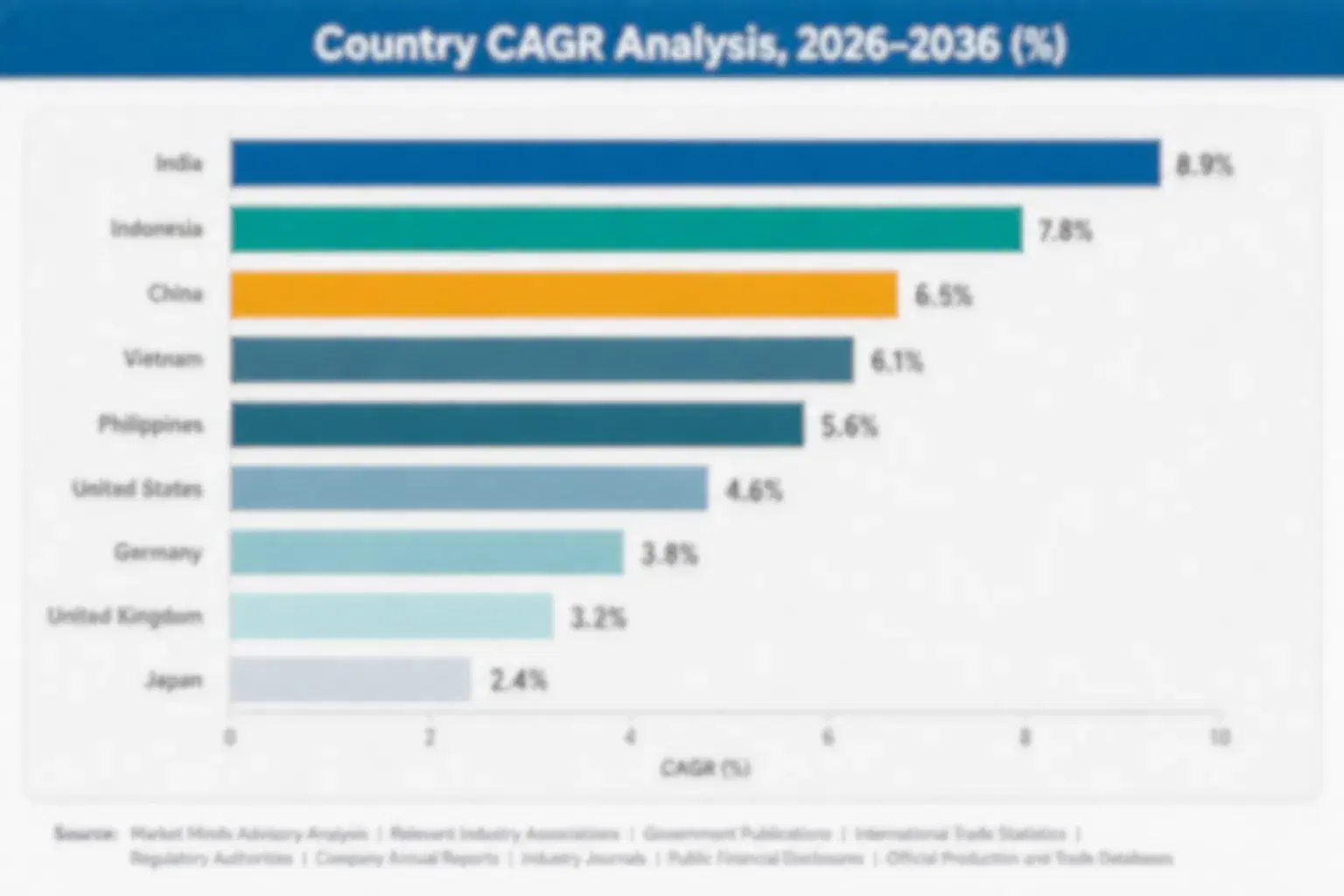
Geography follows two unrelated demand bases that happen to use the same media. Biologics manufacturing capacity drives the high-value end, and food and beverage processing drives the volume. East Asia leads because it now has both at scale, while South Asia grows fastest on new capacity.

North America

American biologics manufacturing is the highest-value depth filtration demand anywhere, and it buys on validated performance rather than on price because the alternative costs a regulatory filing. Boston, North Carolina and the Bay Area concentrate most of it. A second demand base sits in food processing, particularly edible oil refining and juice clarification across the Midwest and California, which behaves like an entirely different market with entirely different buyers. Canadian demand is modest and biologics-weighted. Mexican processing has grown in beverage and food applications and buys largely on price, sourcing through distributors rather than directly from media makers. The two halves rarely meet in the same sales organisation. They probably never should.
Share: 24% | CAGR: 6.2% (2026 to 2036)

Western Europe

Europe is where most depth filtration media is actually made, with German, Swiss and French manufacturing supplying markets well beyond the region's own consumption. Demand splits three ways. Irish and Swiss biologics plants buy validated single-use devices at the highest specifications anywhere. Wine and beer processing across France, Italy, Germany and Spain consumes sheets and filter aid at volumes that dwarf pharmaceutical usage, though crossflow substitution has taken meaningful brewery volume already. Edible oil and beverage processing adds a third base. Energy cost disruption exposed how narrow the cellulose supply behind all of it really is. That particular lesson has not been forgotten by anybody who buys media here. Second sourcing followed quickly.
Share: 23% | CAGR: 5.4% (2026 to 2036)
Regional intelligence for 5 additional markets available in the complete report: East Asia, South Asia and Pacific, Latin America, Middle East and Africa, Eastern Europe. Contact sales@marketmindsadvisory.com.
depth-filtration-market-country-cagr-analysis-1787680686726

Getting Into The Filing First

A media grade written into a drug application is protected by something no competitor can outbid: a regulatory filing the customer will not reopen. Four levers turn a filtration sale into that position, and each requires reaching the customer years before anyone is buying anything at commercial scale. Late arrival is simply fatal in this business.

Win The Process Development Bench Before Commercial Scale

A media grade chosen at bench scale gets carried through pilot, clinical and commercial manufacturing without anyone revisiting the decision, because revisiting it costs roughly 1.4 million dollars and a filing supplement. That makes a small sale to a development scientist worth more than a large one to a procurement team. Suppliers running free evaluation programmes, sample libraries and applications support for early-stage sponsors are buying commercial positions that will not be contested for a decade. The cost is supporting hundreds of programmes that never reach approval, which is the price of the ones that do.
Market Impact: Locks position worth 1.4 million dollars to displace

Sell Capacity Per Square Metre, Not Price Per Unit

Filter area per batch has climbed to roughly 34 square metres for a commercial biologics run, and that area is floor space, connections, operator time and campaign duration. A media that clarifies the same feed in fewer square metres saves all of it. Priced against filter cost the improvement is worth little. Priced against a clarification suite the customer would otherwise have to build, it is worth a great deal. The requirement is applications data on the customer's actual feed stream, which takes a laboratory and people who can run it.
Market Impact: Reduces the 34 square metre requirement per batch

Qualify Synthetic Media Before The Next Pulp Disruption

Cellulose depth media depends on a handful of pulp mills that make the grade for reasons unrelated to filtration, and European energy disruption showed how quickly that becomes an allocation problem. Synthetic alternatives remove the dependency and offer a cleaner extractables profile that quality organisations value independently. Qualifying them takes 18 months and the same regulatory work as any other media change, which is why it has to happen before the shortage rather than during it. Suppliers holding both chemistries can offer customers continuity nobody with one can promise. That promise closes accounts.
Market Impact: Takes 18 months to qualify each alternative media

Put Inventory And Applications Support In Asia

A facility running a campaign in Songdo or Suzhou will not wait three weeks for a filter, and a European supplier shipping from Germany cannot promise otherwise. Local inventory converts a lead time problem into a service advantage, and local applications support gets the supplier into process development conversations happening in the region rather than in Europe. Roughly 240 new bioreactor trains have been commissioned across Asia in recent years and each one specified media at some point. Suppliers who were physically present when that happened hold the positions. Everyone else is quoting against a filing.
Market Impact: Serves roughly 240 new bioreactor trains from local stock

Who Controls the Margin Pool

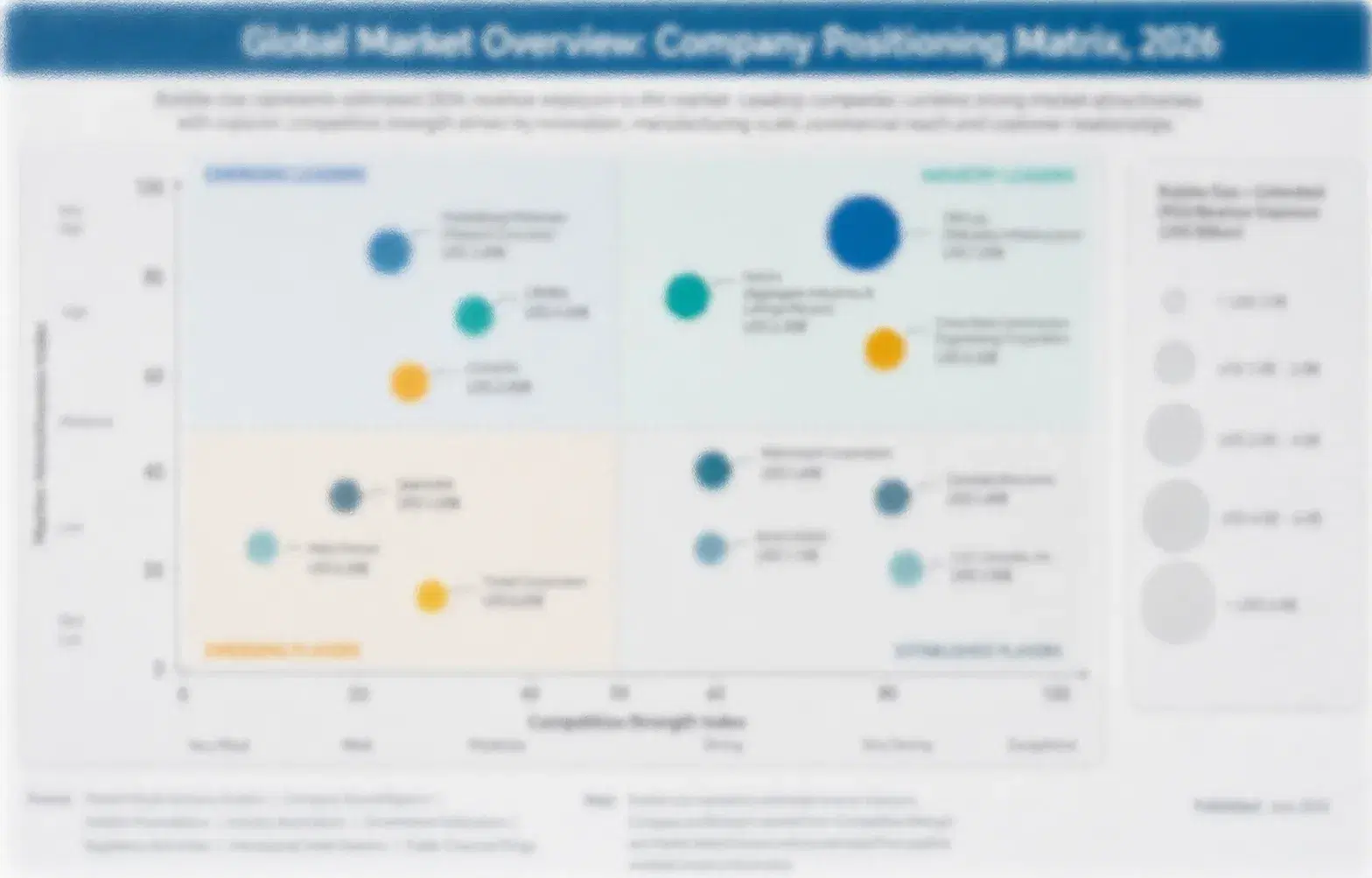
Measured on disclosed filtration and bioprocessing segment revenue, the five largest suppliers hold a CR5 of 52%, high for a materials market and low relative to how locked individual positions are. Concentration at the account level is close to total, since a validated media cannot be replaced without a filing. Cytiva and Merck lead through bioprocessing breadth rather than through filtration specifically.
Three contests run and only one is visible. Early-stage capture is the first, fought in process development laboratories through free evaluations and applications support years before revenue appears. Supply security is the second, contested since European cellulose disruption made customers ask questions they had never asked. Regional presence is the third, where inventory and technical staff in Asia decide who gets specified into capacity being built there. Price appears in none of these three, and the sales organisations built around it are struggling.

Pressure comes from the food and beverage side rather than from biopharma. Crossflow membrane systems remove filter aid demand permanently rather than taking share, and every brewery that converts is gone for good. Rankings shift wherever a supplier's revenue mix leans toward filter aid, which is a declining business dressed as a stable one.
depth-filtration-market-company-positioning-matrix-1787680686905

Competitive Moat and Risk Dimensions

CYTIVA

Moat: Validated Position Across Bioprocess

Cytiva supplies depth filtration alongside chromatography resins, single-use bags and the rest of a bioprocess train, which lets it be present at process development when every material decision gets made. A supplier already in the filing for three other steps is the obvious choice for the fourth. That breadth cannot be assembled by a filtration specialist at any price.
CYTIVA

Risk: Bioprocess Cycle Concentration

Revenue concentrated in biopharmaceutical manufacturing moves with a capital cycle that proved far more volatile than anyone expected, as the post-pandemic destocking demonstrated across the whole sector. Food and beverage demand would have cushioned that and Cytiva has almost none of it. The exposure is not competitive but cyclical, and it recurs whenever biotech funding tightens.
MERCK KGAA

Moat: Media Manufacturing And Regulatory Depth

Merck makes its own depth filtration media rather than converting purchased sheet, which gives it control over the fibre specification, the extractables profile and the supply chain behind both. Customers who lived through cellulose allocation weight that heavily. The regulatory support organisation behind it, capable of producing validation packages regulators accept without argument, is equally hard to replicate.
MERCK KGAA

Risk: Diversified Group Capital Competition

Life science filtration sits inside a group that also runs pharmaceuticals and electronic materials, and capital allocation between them is decided on returns rather than on strategic fit. Filtration investment competes against semiconductor materials with shorter payback and louder growth stories. Specialist competitors face no such contest and can commit through a downturn when Merck may not.

Players Tracked

Prominent Players

Cytiva
Merck KGaA
Sartorius
Solventum
Eaton

Other Key Players

Donaldson
Parker Hannifin
Thermo Fisher Scientific
Repligen
Meissner Filtration Products
Filtrox
Ahlstrom
Graver Technologies
ErtelAlsop
Amazon Filters
Imerys
US Silica
Porvair Filtration
3M
Koch Separation Solutions

Recent Developments

MARCH 2025

Sartorius expands single-use depth filtration manufacturing in Asia

Sartorius commissioned additional single-use depth filtration device manufacturing capacity in Asia, an organic investment rather than an acquisition. The company cited contract manufacturing capacity being built across Korea, China and Singapore, and the lead time expectations of facilities that will not hold a campaign waiting for imported consumables.
Signal: Manufacturing is following bioreactor capacity rather than serving it from Europe, which changes who gets specified.
JULY 2025

Merck KGaA qualifies synthetic depth media grade for parenteral applications

Merck KGaA completed qualification of a non-cellulosic depth filtration media grade intended for parenteral drug processing, developed organically rather than acquired. The grade removes beta-glucan release and the pulp supply dependency behind cellulose media, and arrives with the extractables documentation regulatory submissions require for a new material.
Signal: Supply security has become a product feature customers will pay for, which was not true before 2022.
NOVEMBER 2025

European brewing group completes crossflow conversion across its largest sites

A European brewing group finished converting its largest production sites from diatomaceous earth filtration to crossflow membrane systems, an organic capital programme rather than any acquisition. The stated drivers were crystalline silica handling controls, spent filter cake disposal cost and plant cleanliness, with filtration performance treated as broadly equivalent throughout.
Signal: Filter aid volume leaving brewing does not come back, since the capital is spent and the handling problem is gone.

What The Media Costs To Make

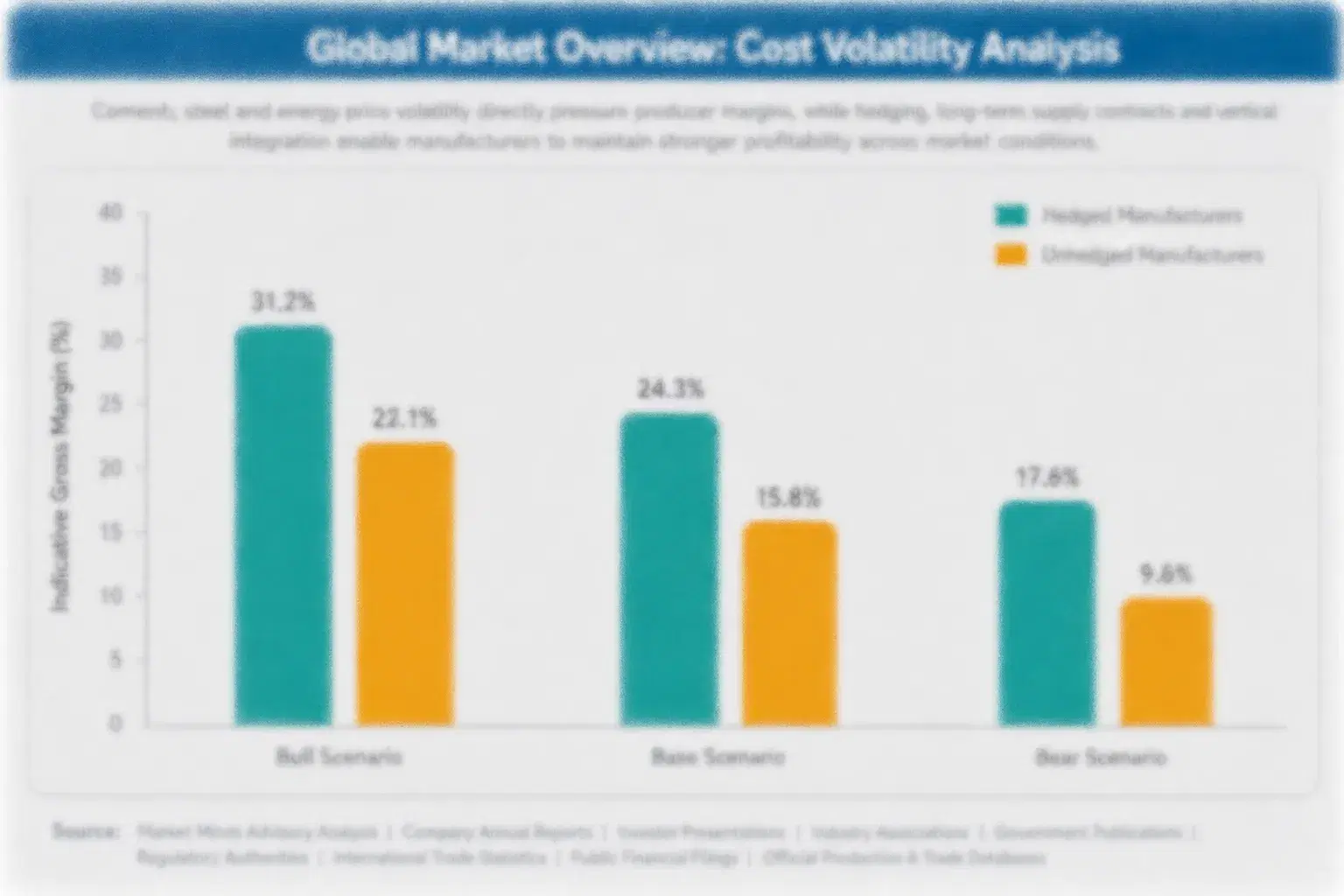
Two inputs carry most of it. Specialty cellulose pulp and diatomaceous earth together account for 38 to 41% of media production cost, sourced from a small number of pulp mills in Scandinavia and North America and from diatomite deposits concentrated in a handful of countries. Synthetic polymer feedstock adds roughly 14% where used. Gamma irradiation and assembly carry the rest for encapsulated devices.
European energy disruption through 2022 exposed the narrowness of that pulp supply. IEA data on European industrial energy prices documents the period, and a single Scandinavian mill curtailing specialty grades put several media makers onto allocation within weeks. Ahlstrom and Sartorius annual reports for the year describe raw material availability constraints and the cost pass-through that followed. Customers who had never asked where their filter sheet came from began asking, and several qualified second sources.

Exposure follows integration and chemistry. Suppliers making their own media from purchased pulp carry the allocation risk directly. Converters buying finished sheet carry it with a lag and no visibility. Suppliers holding both cellulose and synthetic grades can move customers between them, subject to the regulatory work, which is slow and better than having no option at all.
depth-filtration-market-cost-volatility-analysis-1787680687092

Qualify a second pulp source before it becomes urgent

Specialty cellulose qualification for filtration takes months of testing and produces nothing until supply fails. Media makers who qualified a second mill during calm conditions kept shipping through the 2022 allocation. Those who started when the notice arrived discovered that qualification timelines and shortage timelines have nothing whatever to do with each other. The lesson was expensive.

Develop synthetic grades alongside every cellulose product

A synthetic depth media qualified in parallel gives a customer somewhere to go when cellulose supply tightens, and gives the supplier a second product to sell in the meantime. Development cost is real and the performance is different rather than better. What it buys is continuity, which customers weight far more heavily since discovering how narrow the pulp base is.

Hold validated inventory close to the customer's plant

A validated media lot cannot be substituted at short notice, so a stockout stops a campaign rather than delaying a delivery. Holding qualified inventory regionally ties up working capital and removes the only failure mode customers genuinely fear. Suppliers who did this in Asia won specification positions that had nothing to do with product performance at all.

Portfolio Architecture for Margin Defence

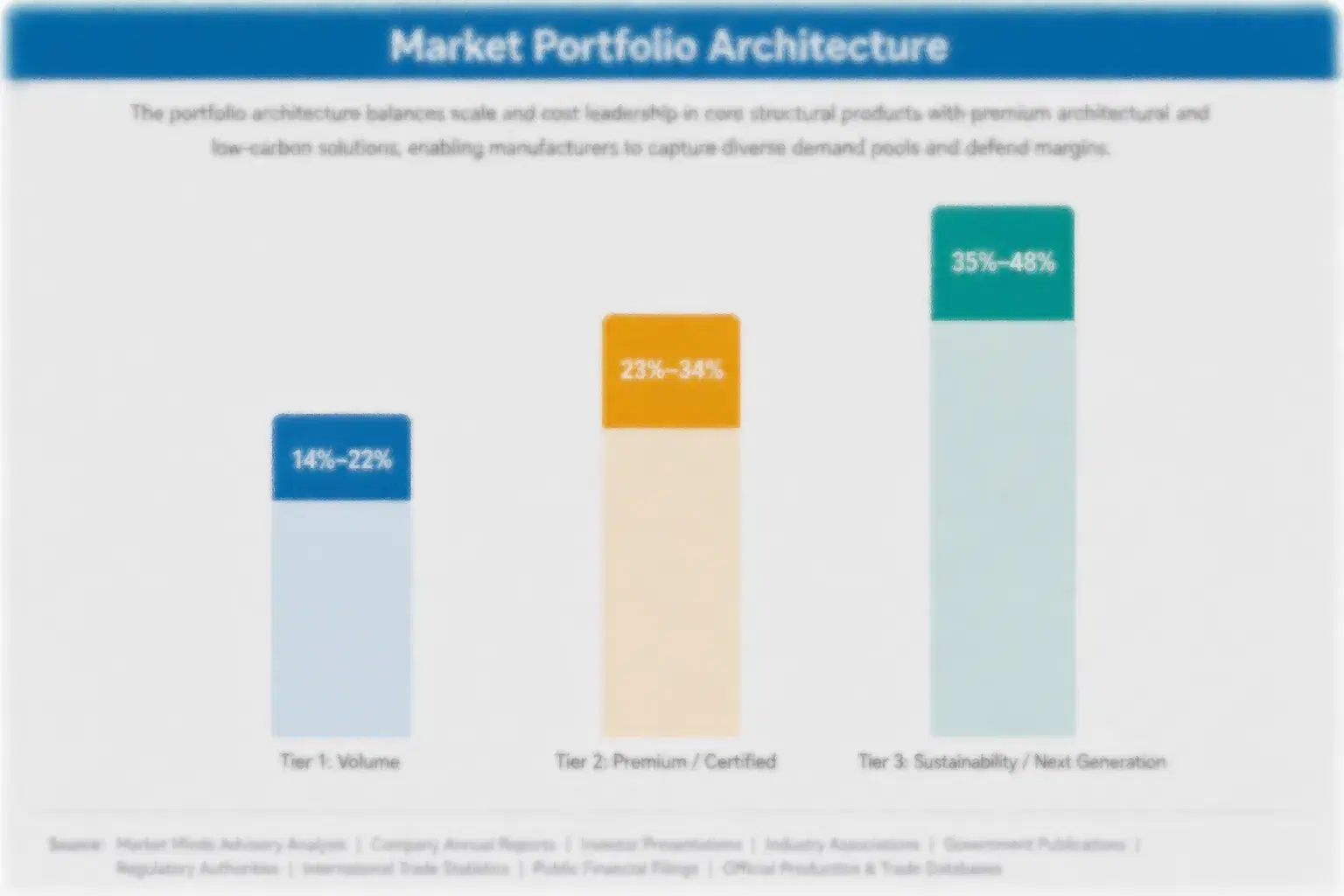
Margin here follows the filing, not the material. A filter sheet sold to a winery earns commodity converting margins because any equivalent sheet will do and the buyer knows it. The same fibre in a validated single-use capsule sold into a biologics process earns several times that, because replacing it costs the customer a regulatory supplement rather than a purchase order.
The tension is that both come off related manufacturing and share a sales organisation in several companies. A supplier discounting filter aid to hold brewery tonnage teaches its own commercial team that filtration is a price business, which then shows up in biopharma negotiations where it should never appear. Companies that separated the two entirely, running life science through a different organisation with different targets, hold pricing the combined ones cannot. Several have since divested the food and beverage side altogether.

High-value pools sit in three places. Validated single-use capsules for biologics, where the regulatory filing is the moat. Synthetic media for parenteral applications, where supply security and extractables profile both command premiums. And applications support itself, which is sold as free and buys specification positions worth far more than any service fee would be.

Volume / Commodity-Adjacent

Diatomaceous earth, perlite and standard filter sheets sold into brewing, wine, edible oil and general process filtration. The 7-point range separates producers with their own mineral deposits from those buying and blending. Annual tender pricing and freight decide most of it.
Gross Margin: 22-29%

Premium / Certified

Lenticular modules, pharmaceutical-grade sheets and depth cartridges supplied with validation documentation for regulated processes. The 7-point spread separates products validated into commercial drug applications from those used in earlier development stages. Regulatory documentation rather than filtration performance holds this pricing.
Gross Margin: 44-51%

Sustainability / Regulatory / Next-Generation

Gamma-irradiated single-use capsules, synthetic parenteral-grade media and high-capacity clarification products. The 13-point range is unusually wide because encapsulated devices price on the validation attached to them while synthetic media prices on supply security, and the two premiums behave differently under competitive pressure.
Gross Margin: 54-67%
depth-filtration-market-portfolio-architecture-1787680687282

High-value Sub-segments and Strategic Watch-out

Validated Single-Use Clarification Capsules

Highest value and fastest growth, protected by a regulatory filing rather than by any technical advantage. Once specified into a commercial process the position is effectively permanent. The risk is that the same lock works against the supplier everywhere a competitor got there first, and most accounts are already decided.
Gross Margin: 63-66%

Synthetic Parenteral-Grade Media

High value with strong growth, driven by supply security and extractables profile rather than by filtration performance, which is different rather than better. Customers who lived through cellulose allocation weight continuity heavily. The constraint is qualification time, which runs 18 months and cannot be compressed when a shortage arrives.
Gross Margin: 56-59%

Standard Filter Sheets And Pads

The volume core, carrying most media area shipped and the least differentiation anywhere in the market. Wine, beer and general process buyers treat sheets as interchangeable and tender annually. Most suppliers run this line to hold manufacturing utilisation rather than to earn anything meaningful from it.
Gross Margin: 23-26%

Diatomaceous Earth Filter Aid

The strategic watch-out. Volume is substantial and the product works perfectly well, but crossflow membrane conversion removes brewery demand permanently rather than losing it to a competitor. The risk is mineral processing capacity committed against demand that is walking away for handling and disposal reasons nobody can answer.
Gross Margin: 24-27%

Why The Filing Keeps Paying

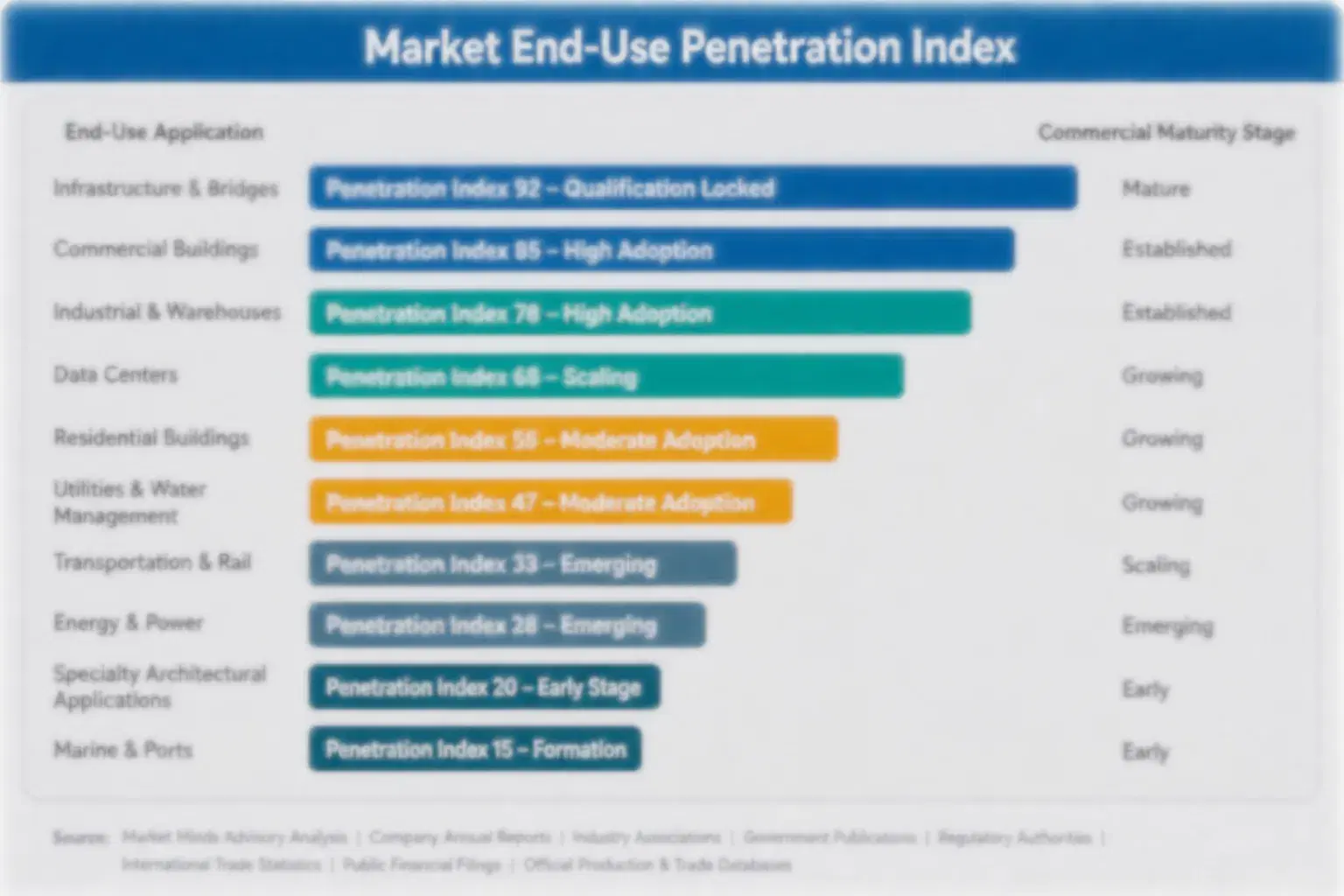
A media grade written into a commercial drug application generates revenue for as long as that product is manufactured, which for a successful biologic means decades. Consumption scales with batches rather than with anything the supplier does. Revenue therefore behaves like a royalty on the customer's product, arriving without a sales call and continuing until the drug leaves the market entirely.
Stickiness varies by how much documentation the application carries. Commercial biologics essentially never change media, because a supplement costs 1.4 million dollars and delays nothing anyone wants delayed. Clinical stage processes change more readily, since the filing is not final. Vaccine and plasma processing sits close to commercial biologics on the same logic. Food and beverage buyers change whenever a distributor quotes better, which is annually, and they feel no obligation to explain why.

The decision has moved earlier and the sales organisations have not followed. Two decades ago a manufacturing engineer selected filtration during process transfer. Now a process development scientist chooses at bench scale, years before commercial volume exists, and nobody revisits it afterward. Suppliers still calling on plant procurement are negotiating over a decision somebody else made in a laboratory four years earlier.
depth-filtration-market-end-use-penetration-index-1787680687466

Where The Filing Creates Value

These are among the four positions where our research anticipates prominent divergence between winners and laggards over the coming forecast period. Each is grounded in the demand model, the regulatory perimeter, and the announced capacity pipeline.
01 / EARLY STAGE CAPTURE

Sell to the bench, not to procurement

A media grade selected at bench scale carries through pilot, clinical and commercial manufacturing without anyone revisiting the decision, because revisiting it costs roughly 1.4 million dollars and a regulatory filing supplement nobody wants to write. That makes a sample sale to a development scientist worth more over a product lifetime than any negotiation with a plant procurement team will ever be. Suppliers funding evaluations and applications support for early-stage sponsors are buying uncontested positions, and the programmes that never reach approval are the price of the ones that do.
02 / CAPACITY VALUE SELLING

Price against the suite, not against the filter

Filter area per batch has climbed to roughly 34 square metres for a commercial biologics run, and that area consumes floor space, connections, operator time and campaign duration inside a facility with none to spare. A media clarifying the same feed in fewer square metres is worth almost nothing measured against filter price and a great deal measured against the clarification suite the customer would otherwise build. Making that argument requires applications data on the customer's own feed stream, which means a laboratory and people who can run it properly.
03 / SUPPLY CHAIN DUPLICATION

Qualify synthetic media before the next allocation

Cellulose depth media depends on a handful of pulp mills that make the grade for reasons entirely unrelated to filtration, which European energy disruption turned into an allocation problem within weeks in 2022. Qualifying a synthetic alternative takes 18 months and the same regulatory work as any other media change, so it has to happen before a shortage rather than during one. Suppliers holding both chemistries can promise customers a continuity that nobody with a single supply base is able to offer credibly.
04 / ASIAN PRESENCE TIMING

Be physically present where the reactors are built

Roughly 240 new bioreactor trains have been commissioned across Korea, China and Singapore in recent years, and each one specified clarification media at some point during commissioning. A facility running a campaign will not wait three weeks for a filter shipped from Germany, which makes local inventory and local applications support a qualification requirement rather than a service preference. Suppliers who were physically present when those decisions were taken now hold positions that competitors can only reach by persuading a customer to reopen a filing.

Engagement Snapshot From the Field

A live engagement with an industry participant carrying material or product regulatory and market exposure ahead of a defining policy shift, showing how our research translates into a defensible multi-year portfolio strategy.
MARKET MINDS ADVISORY · CLIENT ENGAGEMENT SUMMARY
Depth Filtration Producer Strategic Portfolio Review and Transition Roadmap 2026·Investment Scenario on Depth Filtration Exposure Evaluation 2025-26
CLIENT PROFILE
A European depth filtration media manufacturer supplying both life science and food and beverage customers across 31 countries, with revenue reported at 240 million euros (client-reported, unverified by MMA). Roughly 58% of revenue came from filter sheets and filter aid sold into brewing, wine and edible oil processing. Life science revenue was smaller, growing faster and handled by the same commercial organisation.
STRATEGIC CHALLENGE
Brewery filter aid volume had declined for four consecutive years as customers converted to crossflow, and management treated it as a pricing problem. Life science margins were also drifting downward without any obvious competitive cause. Nobody had connected the two, and nobody had examined whether one sales organisation could sell products with entirely different buying logics.
MMA APPROACH
MMA analysed won and lost life science opportunities by who inside the customer had made the decision and when, rather than by price or product, which the company had never examined. Fourteen expert interviews with biopharma process development groups established when media selection actually happens. The analysis treated the sales organisation itself, not the product range, as the variable worth changing.
KEY FINDINGS
  1. Every life science opportunity the company lost had been decided at bench scale by a scientist the sales team had never contacted at any point.
  2. The same representatives selling filter aid on annual tenders were quoting validated media, and were discounting it on instinct rather than on any instruction.
  3. Brewery conversions were driven by silica handling and disposal rather than by price, meaning no pricing action would have retained a single converted site.
  4. Splitting the commercial organisation and funding a life science applications laboratory modelled better returns within three years despite lower total revenue (client-reported, unverified by MMA).
CLIENT PROFILE
A European depth filtration media manufacturer supplying both life science and food and beverage customers across 31 countries, with revenue reported at 240 million euros (client-reported, unverified by MMA). Roughly 58% of revenue came from filter sheets and filter aid sold into brewing, wine and edible oil processing. Life science revenue was smaller, growing faster and handled by the same commercial organisation.
STRATEGIC CHALLENGE
Brewery filter aid volume had declined for four consecutive years as customers converted to crossflow, and management treated it as a pricing problem. Life science margins were also drifting downward without any obvious competitive cause. Nobody had connected the two, and nobody had examined whether one sales organisation could sell products with entirely different buying logics.
MMA APPROACH
MMA analysed won and lost life science opportunities by who inside the customer had made the decision and when, rather than by price or product, which the company had never examined. Fourteen expert interviews with biopharma process development groups established when media selection actually happens. The analysis treated the sales organisation itself, not the product range, as the variable worth changing.
KEY FINDINGS
  1. Every life science opportunity the company lost had been decided at bench scale by a scientist the sales team had never contacted at any point.
  2. The same representatives selling filter aid on annual tenders were quoting validated media, and were discounting it on instinct rather than on any instruction.
  3. Brewery conversions were driven by silica handling and disposal rather than by price, meaning no pricing action would have retained a single converted site.
  4. Splitting the commercial organisation and funding a life science applications laboratory modelled better returns within three years despite lower total revenue (client-reported, unverified by MMA).
RECOMMENDED STRATEGY
Phase 1: Phase one: separate life science commercially from food and beverage, with different targets, different incentives and no shared representatives at all. Phase 2: Phase two: build an applications laboratory and a free evaluation programme aimed entirely at early-stage biopharma process development groups across Europe. Phase 3: Phase three: manage filter aid for cash rather than growth, and stop spending sales effort defending brewery volume that price cannot retain.
OUTCOME
The commercial split completed within two quarters and life science realised pricing improved measurably in the first full year. The applications laboratory opened after 11 months and generated 34 early-stage evaluations in its first year (client-reported, unverified by MMA). Filter aid revenue continues declining as expected, and the company has stopped spending to defend it.

Frequently Asked Questions

Foundational context covering the market sizes, CAGR, scope, country, region and competition that inform every finding below. This section is provided to cover basics and most often pre-purchase conversations, answered from the MMA Primary Research Dataset.

What is the current size of the Depth Filtration Market?

The market was worth 3.4 billion dollars in 2025, covering filter sheets, lenticular modules, cartridges, single-use capsules, synthetic media and filter aids. It reaches 3.6 billion dollars in 2026.

How large will the Depth Filtration Market be by 2036?

MMA forecasts 7.1 billion dollars by 2036, an increase of 3.5 billion dollars over the 2026 base. That represents an expansion multiple of 1.97 times across the forecast period.

What is the CAGR for the Depth Filtration Market 2026 to 2036?

The base case compounds at 7.0% annually. MMA's bull case reaches 8.2% if continuous bioprocessing reaches commercial scale, while the bear case sits at 5.8% on faster crossflow substitution in brewing.

Which segment is growing fastest?

Single-use depth filter capsules, at 10.5%, half again the market rate of 7.0%. A disposable device removes cleaning validation from a facility that would rather not own the problem.

Who are the major companies in the Depth Filtration Market?

Cytiva, Merck KGaA, Sartorius, Solventum and Eaton lead on disclosed filtration and bioprocessing segment revenue. Donaldson, Parker Hannifin, Repligen, Meissner Filtration Products and Filtrox compete strongly in specific formats.

Which country is growing fastest?

China at 10.2%, driven by biologics manufacturing capacity built at a pace with no precedent and by a tightening domestic regulatory framework. Korea and India follow closely.

Report Segmentation Architecture

The full report scope spans multiple orthogonal segmentation dimensions, with cross-tabulated demand data provided for each dimension pair. Coverage extends further to regional breakdowns, trend trajectories, and the competitive detail needed to support segment-level decision-making.

By Media Format

  • Filter Sheets and Pads
  • Lenticular Modules
  • Depth Filter Cartridges
  • Single-Use Depth Filter Capsules
  • Filter Aids (Diatomaceous Earth and Perlite)
  • Synthetic and Non-Cellulosic Depth Media

By End-Use Industry

  • Biopharmaceutical Manufacturing
  • Vaccine and Plasma Processing
  • Beer and Beverage
  • Wine and Spirits
  • Edible Oil and Food Processing
  • Chemical and Industrial Process

By Commercial Dimension

  • Direct Manufacturer Supply
  • Distributor and Dealer Channel
  • Bioprocess Platform Bundled
  • Contract Manufacturer Specified
  • Early-Stage Evaluation Programme
  • Private Label Conversion

By Region

  • North America
  • Western Europe
  • East Asia
  • South Asia and Pacific
  • Latin America
  • Middle East and Africa
  • Eastern Europe

Scope, Methodology, and Coverage

Every figure in this report is reproducible from documented input assumptions. The scope below maps the historical period, the forecast horizon, the segmentation dimensions, and the countries covered, alongside the underlying primary and qualitative methodology.
Historical Period
2020 to 2025
Forecast Period
2026 to 2036
Base Year
2025 (USD billions; MMA Primary Research Dataset, August 2026)
Market Definition
Scope covers filtration media that retain contaminants throughout the thickness of the medium rather than at its surface, spanning cellulose and synthetic filter sheets and pads, lenticular modules, depth filter cartridges, gamma-irradiated single-use encapsulated devices and loose filter aids including diatomaceous earth and perlite. Membrane filtration, chromatography resins, reverse osmosis elements and stainless housings sold as equipment are excluded. Filtration system integration, spent media disposal and analytical services fall outside the boundary.
Quantitative Units
USD billions (current prices); media area shipped; devices sold; filter aid tonnage; validated process positions
Segmentation Dimensions
By Media Format; By End-Use Industry; By Commercial Dimension; By Region
Regions Covered
North America, Western Europe, East Asia, South Asia and Pacific, Latin America, Middle East and Africa, Eastern Europe
Countries Covered
USA, China, Germany, France, UK, Japan, South Korea, India, Brazil, Mexico, Italy, Spain, Poland, Saudi Arabia, South Africa
Key Companies Profiled
Cytiva, Merck KGaA, Sartorius, Solventum, Eaton, Donaldson, Parker Hannifin, Thermo Fisher Scientific, Repligen, Meissner Filtration Products, Filtrox, Ahlstrom, Graver Technologies, ErtelAlsop, Amazon Filters, Imerys, US Silica, Porvair Filtration, 3M, Koch Separation Solutions
Quantitative Methodology
Primary survey, n=3,800 respondents, Q4 2025, six countries; demand-side model with trade association cross-validation
Qualitative Methodology
47 expert interviews, Q4 2025; applied to validate demand model assumptions, identify emerging dynamics, and assess competitive positioning
Report Format
PDF and XLSX data workbook (Word format preview document)
Publisher
Market Minds Advisory
Report Code
MMA-2026-CHM-159
Published
August 2026
Contact
sales@marketmindsadvisory.com | www.marketmindsadvisory.com

Purchase the full Depth Filtration Market Report (2026 to 2036).

The full report runs to 180 pages and covers all six media format segments, seven regions and 20 profiled companies in detail. It includes the complete segment CAGR set, regional consumption and manufacturing data, and validation position analysis across commercial biologics processes. Company profiles carry evaluation on disclosed filtration and bioprocessing segment revenue, with moat and risk assessment for the top five suppliers. The competitive section extends to 16 tracked corporate developments across 2024 and 2025, each with commercial interpretation. Primary research inputs include a quantitative survey of 3,800 respondents and 47 expert interviews conducted in Q4 2025.
Six media format segments with individual CAGR forecasts
Seven regional markets with consumption and manufacturing data
Twenty company profiles on consistent revenue evaluation basis
Sixteen tracked corporate developments with commercial interpretation notes
Validation position analysis across commercial biologics processes
Cellulose supply chain mapping by mill and grade

Built For The People Who Decide

From boardroom strategy to bench-side execution, this report is read cover-to-cover by leaders shaping the next decade of their industry, turning demand scenarios, market dynamics and valuation benchmarks into decisions.
CXOs/ Presidents/ VPs/ Managers
M&A and Corporate Development
Strategy Teams and R&D Heads
Procurement and Product Directors
Regulatory and Compliance Leaders
Investor Relations and Equity Analysts